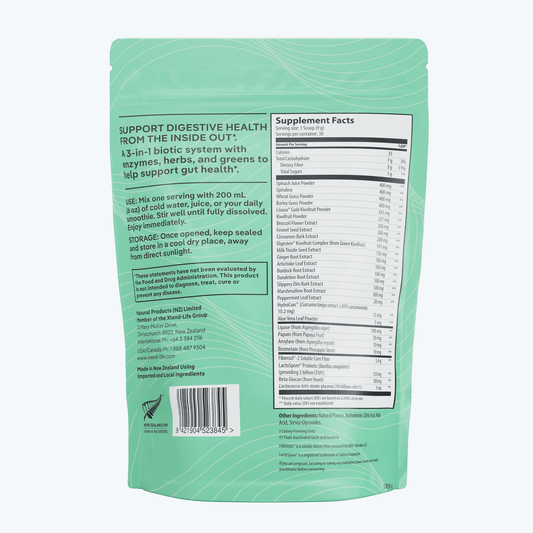
Cinnamon Bark

Cinnamon Bark Extract Background and Benefits
Cinnamon bark extract is derived primarily from the inner bark of Cinnamomum verum (Ceylon cinnamon) or Cinnamomum cassia (Cassia cinnamon), evergreen trees belonging to the Lauraceae family. The bark contains a range of biologically active compounds, including cinnamaldehyde, cinnamic acid, eugenol, and water-soluble polyphenols such as procyanidins. These constituents contribute to cinnamon’s characteristic aroma and its documented physiological activity.
Historically, cinnamon has been used in traditional systems of medicine including Ayurveda and traditional Chinese practices for digestive comfort and metabolic balance. Modern research has focused on its polyphenolic compounds, which may influence glucose metabolism by supporting insulin receptor activity and enhancing cellular glucose uptake. Certain extracts have also been shown to exhibit antioxidant properties, helping to reduce oxidative stress at a cellular level.
Cinnamon bark contains volatile oils, particularly cinnamaldehyde, which may support healthy inflammatory responses. Water-extracted cinnamon polyphenols have been studied for their potential role in maintaining already normal blood sugar levels. Some research also suggests that cinnamon may contribute to cardiovascular health by supporting healthy lipid metabolism.
Commercial extracts are typically produced by drying and pulverizing the bark, followed by aqueous or hydroalcoholic extraction to concentrate active constituents. Standardization often focuses on polyphenol content or specific marker compounds. Ceylon cinnamon is generally preferred for long-term supplementation due to its lower coumarin content compared to Cassia varieties.
Uses of Cinnamon Bark Extract
Cinnamon bark extract is commonly used in dietary supplements formulated for metabolic health and antioxidant support. It is often included in products designed to help maintain healthy blood glucose levels already within the normal range, particularly in combination with nutrients such as chromium or alpha lipoic acid.
Its antioxidant properties make it a frequent component of formulas aimed at supporting cellular protection against oxidative stress. Cinnamon extract is also used in digestive support supplements, as its traditional use includes promoting digestive comfort and gastrointestinal balance.
In cardiovascular-focused formulations, cinnamon may be included for its potential role in supporting healthy lipid profiles and vascular function. Functional foods and beverages may incorporate cinnamon extracts for both flavor and their associated polyphenol content.
Standardized extracts allow for more consistent delivery of active compounds compared to culinary cinnamon powder, making them suitable for supplements.
Signs You May Need Cinnamon Bark Extract
Individuals seeking additional support for healthy glucose metabolism or antioxidant intake may consider cinnamon bark extract.
Those experiencing occasional fluctuations in energy related to dietary carbohydrate intake, or those looking to support metabolic and cardiovascular wellness as part of a balanced lifestyle, may also explore its inclusion in a comprehensive formula.
Synonyms and Similar Forms of Cinnamon Bark Extract
Ceylon cinnamon, Cassia cinnamon, Cinnamomum verum, Cinnamomum cassia, cinnamon polyphenol extract.